A 30-dollar Apple gift card’s cash value primarily refers to its purchasing power for eligible products and services within the Apple ecosystem. Unlike physical cash, this gift card cannot be exchanged directly for money in most cases, but its face value of $30 is fully applicable to a range of items: digital content like apps, music, movies, or e-books from the App Store or iTunes Store; physical accessories such as cases, chargers, or headphones; and even partial payments toward higher-priced devices like smartphones or laptops. For users who regularly engage with Apple’s offerings, this $30 cash value translates directly to tangible value without additional fees or restrictions beyond the card’s terms.
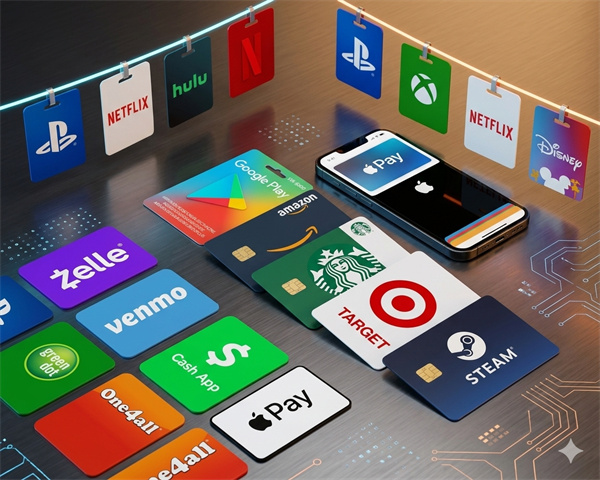
The perceived cash value can shift depending on the user’s needs. For someone who does not use Apple products or services, the gift card may have no practical value, leading them to sell it through third-party platforms. In such cases, the resale value typically falls slightly below the $30 face value—often between $25 and $28—due to platform fees and the risk of scams. However, for users who plan to make purchases in the Apple ecosystem, the $30 cash value is fully retained; there are no hidden costs, and the card can be used at any time (as most regions do not impose expiration dates on these gift cards).
To maximize the cash value of a 30-dollar Apple gift card, users can leverage promotions and combine it with other payment methods. For example, if an accessory is on sale for $25, the gift card covers the entire cost, leaving no remaining balance. Alternatively, if a user wants a $50 device, the gift card reduces the out-of-pocket cost to $20, effectively using the full $30 cash value. It’s important to note that the card is non-refundable for cash, so holding onto it until a relevant purchase is planned is the best way to avoid losing any of its inherent value.